Top tips for toe kick lighting with LEDs
BY ELLIE DEES
Toe kick lighting with LEDs is a subtle design application that can have a surprising impact, both visually and functionally.
What it is
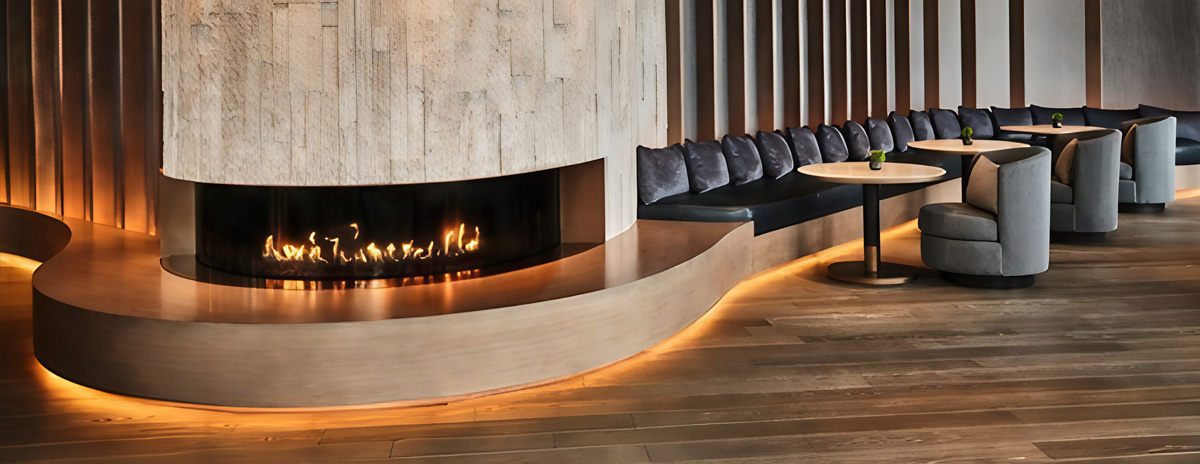
A toe kick is the recessed space at the bottom of a cabinet, designed so a person’s toes can fit underneath. This lets you stand closer to the counter. Toe kick lighting is LED lighting installed in that small, recessed space (typically 2–4 in. above the floor) or beneath stair treads. It is generally aimed downward to create a soft glow, a “floating cabinet” effect or graceful nighttime wayfinding.
Ideal spaces
Toe kicks work well anywhere you want subtle ambient or night navigation lighting, chief among them:
- Kitchen islands and base cabinets
These classic applications add nighttime navigation and a high-end floating effect, especially around an island. - Bathroom vanities
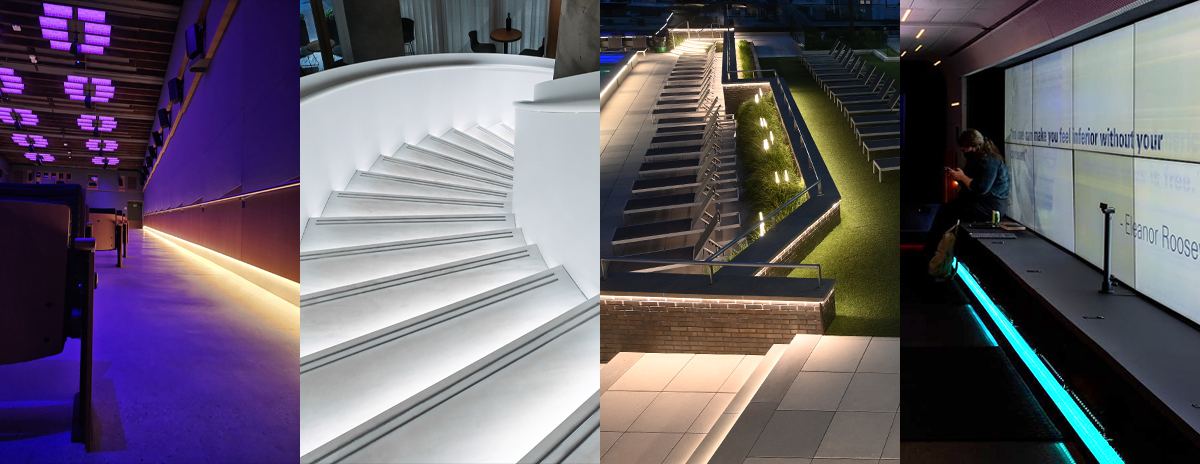
This is arguably the most functional way to employ a toe kick, for nighttime bathroom trips without blinding light that can further disturb the sleep cycle. - Stairs and hallways
Improve safety by defining each step in a stairwell or providing steady navigational light in common spaces. - Shelving and bookcases
Add depth and architectural layering to make a statement in any room. - Closets
Create a true luxury feel and provide functional low light, especially for larger walk-in closets. (Be sure to use closet-rated complete LED fixtures!) - Bars
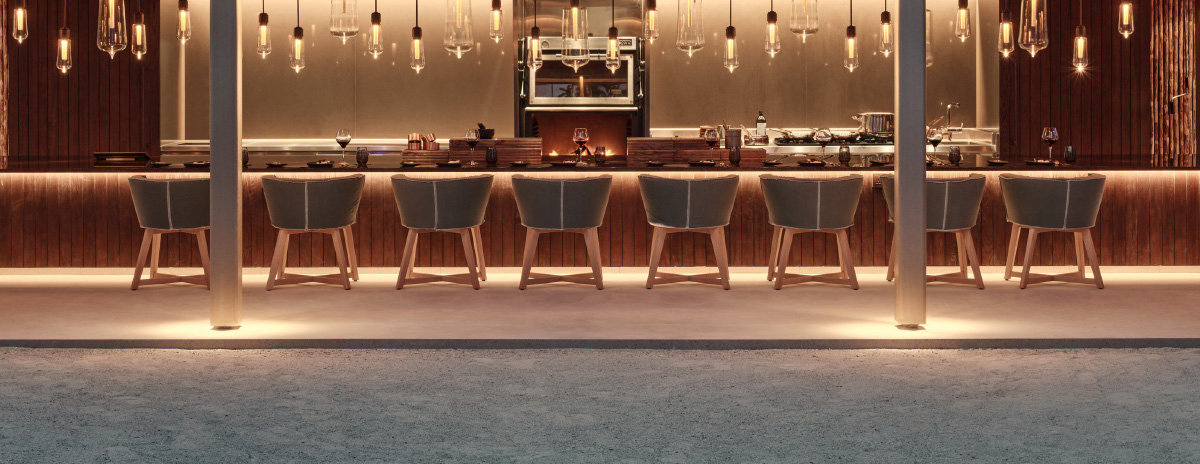
Enhance ambience and safety, highlight floor materials or define a featured area.
The LED science
Good toe kick lighting generally runs on low voltage, with a driver that converts AC power to 24V for longer runs and consistent brightness. High-end LED fixtures that feature 1- or 2-step MacAdam ellipse binning will generate the most uniform lighting. Consider ratings of IP65, IP68 or IP69 for fixtures that might be exposed to damp or wet locations.
Color temperatures
Different color temperatures create different effects in toe kick applications. For most installations, you will likely choose from warm, neutral or cool white. Variable white options let you tune to fit the mood, and color changing RGBW can provide fun, surprising pops of color.
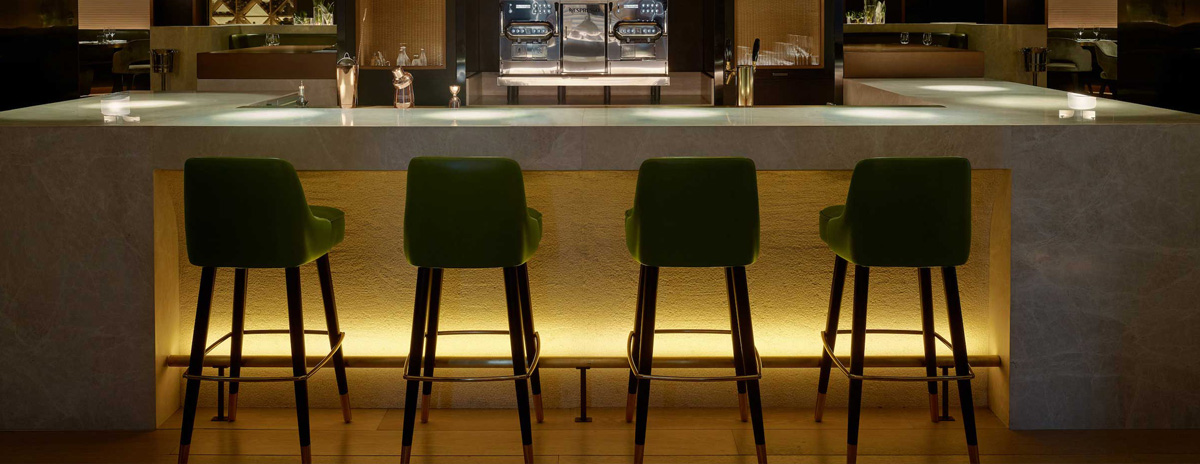
- Warm white (1800K-3000K) is a subtle, luxurious hospitality favorite that mimics incandescent or evening light. It’s best for traditional kitchens, hotel lobbies, bedrooms and bathrooms.
- Neutral white (3000K-4000K) is the current king of residential design. It provides a balanced, versatile middle ground that works with warm and cool finishes.
- Cool white (4000K-6500K) creates a modern, crisp look. While it is great in task-adjacent areas, it is also commonly used in commercial or high-end minimalist interiors.
- Variable white (a tunable range like 1800K-3300K or 2000K-6500K) lets you set the mood based on event or time of day.
- RGBW fixtures allow for creative, custom soft or vibrant colors. They can be fun options for children’s bedrooms and bathrooms. Color changing options also lend themselves to corporate branding or themed party locations.
Design tips
- Protect and diffuse your LEDs with aluminum channels and lenses that eliminate visible diodes.
- Remember that toe kick lighting is accent lighting. It doesn’t need to be super-bright. Limit lumen levels to 100-300 lm/ft, depending on the height of your application.
- Use dimmable LEDs that let you lower light levels at night and adjust brightness to set the mood.
- Match color temperatures throughout your space.
Toe kick solutions from Acolyte
-
Custom RibbonLyte fixtures in our AS1 surface mounted channel.
-
Piccolo and Piccolo 45 micro channels.
-
Matrix RibbonLyte (for hidden, curved applications).
-
Linea RibbonLyte (diode-free in hidden, very tight spaces).
- Neon Apex (for a classic, colorful neon gleam).
The bottom line
You can employ toe kick lighting anywhere you desire low-level, indirect illumination. The most popular applications highlight kitchens, bathrooms, stairwells and hallways, adding safety with a touch of class. Warm CCTs create cozy spaces while cool CCTs generate a more modern, crisp, clean look. Just be sure to match the CCTs in your space so you don’t look like an amateur!